
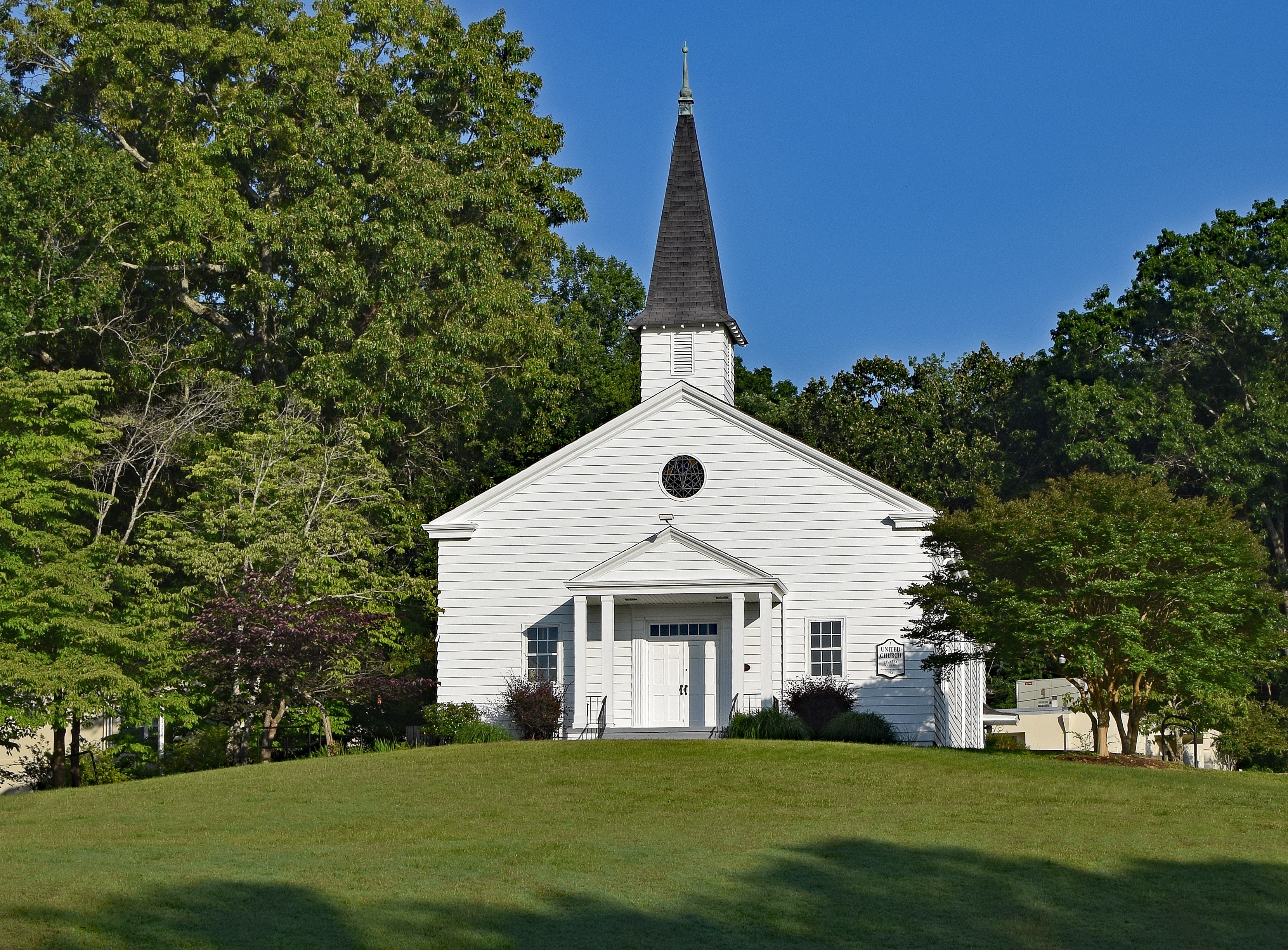
Analyzing the Midterm Election Results in Evangelical Communities
Understanding midterm elections is a complicated task. Who shows up to cast a ballot can vary dramatically between presidential and midterm years, and “vote swings” can be more about turnout than anything else.
That may be especially true when you look at the 2026 vote in the Evangelical Hubs in the American Communities Project.
Evangelical Hubs
The ACP looked at the 15 states with U.S. Senate races this year that also hold Evangelical Hub counties, comparing vote margins and vote production to the 2024 presidential race. The data show that those Evangelical Hub counties still voted reliably Republican this year, but by a lot less and with a lot fewer voters turning out.
Those changes may have led to the Republican loss of the Mississippi U.S. Senate seat, surprising big Democratic margins in a few Senate races, and several Democratic pickups of GOP-held U.S. House seats around the country.
The Numbers
To be clear, the 375 Evangelical Hub counties are not the only places where evangelical voters live in the United States. These voters are scattered across the country. But the Hubs have very high percentages of white evangelical voters, and because of that, they can be used to assess how those places feel about issues and how they vote in broad terms.
In the 2026 midterms, 343 of Evangelical Hub counties cast votes in U.S. Senate races, and the changes in their vote production and margins compared with other communities are hard to ignore.
In total, those 343 counties produced 66% of their total 2024 presidential vote in this midterm election. The rest of the counties in those states produced 78% of their 2024 vote. That’s a sizable 12-point gap. If the Evangelical Hubs had just performed on par with the rest of the overall vote from their states, it would have equaled another 333,000 votes from those communities.
That drop in turnout is a big factor (probably the biggest factor) in the 17-percentage point swing in margin toward the Democrats in those communities — a sign of a lack of enthusiasm among Republican voters this cycle that many pre-election polls showed. Republicans still won the Evangelical Hub counties in those Senate races by 45 percentage points. However, in 2024, President Donald Trump won them by a staggering 62 percentage points.
You can see one big impact of the shifts in the Mississippi Senate race, where Democrat Scott Colom has defeated incumbent Republican U.S. Sen. Cindy Hyde-Smith. If the deeply conservative Evangelical Hub counties in that state had just matched the rest of the state in their share of the 2024 vote, they would have produced about 12,000 more votes in that race. That might have been enough to push Hyde-Smith over the top.
Around the Country
The impacts of these numbers can be seen in the huge Democratic margins in North Carolina, where Democrat Roy Cooper won by 20 percentage points. You can also look at Texas, where James Talarico won by 12 points, or Georgia, where incumbent Jon Ossoff won by 18 points.
In all three states, the Democrats were expected to win on Nov. 3, but not by those margins. There are 12 Evangelical Hubs in North Carolina, 22 in Texas, and 33 in Georgia.
But remember, the Hubs are not the only places evangelical voters live, they are just places with high concentrations of those voters. The drop in vote production in these counties was probably echoed among evangelical voters all over the map. Consider how such depressed turnout may have affected more rural U.S. House districts that Democrats flipped in Virginia, North Carolina, and Iowa as well as in many other close races at the state level.
The bigger question, of course, is what drove the changes? That’s impossible to answer with only vote tallies. However, many Evangelical Hub communities are rural, and rural places were more likely to get hit by increases in inflation. A recent survey from the ACP found that 55% of those who live in the Evangelical Hubs said price increases had caused them “serious financial problems” in the last year.
People in those communities also drive more and tend to drive larger vehicles. Bumps in gas and diesel prices may have hit especially hard. And you can add in the fact that these communities tend to have lower incomes than the nation as a whole, making them more vulnerable to all those cost increases.
But those are suppositions. The American Communities Project will be exploring the causes more thoroughly in the months ahead with exit poll data and reporting trips to different communities.