
Cultivating a Neighborly Spirit in a California Community and Beyond
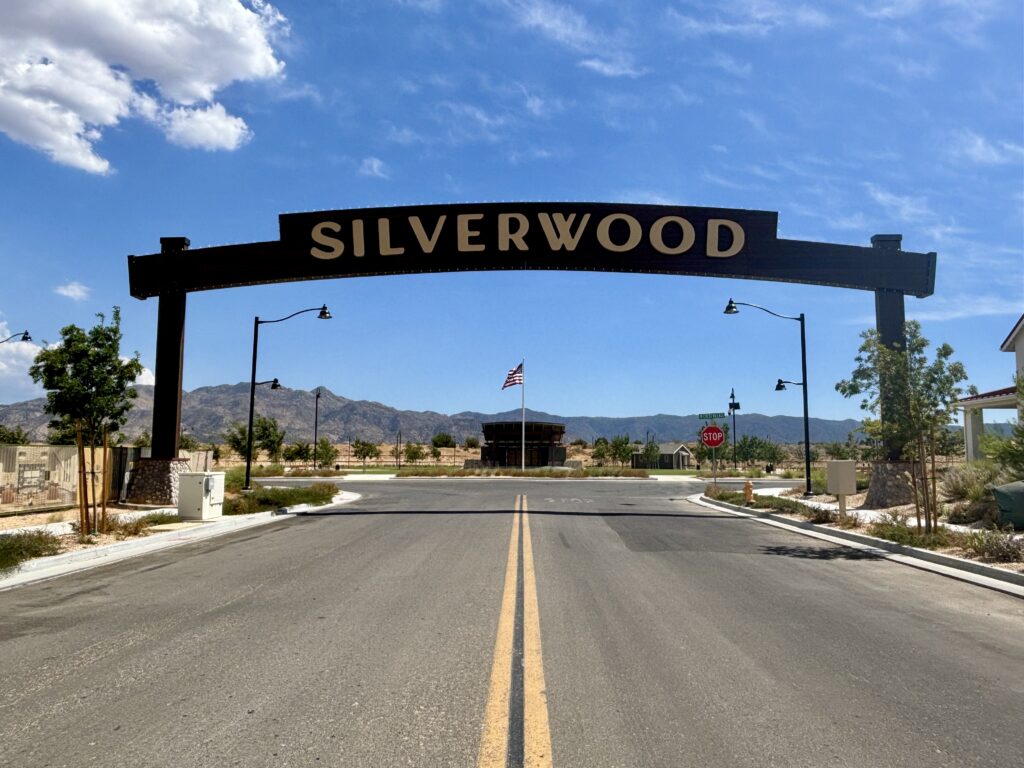
A California housing community’s list of planned amenities reads like a resort brochure.
A clubhouse and pools. Nearly 400 acres of park space. More than 150 miles of walking paths and trails. A nearby lake. A village green with a bandstand.
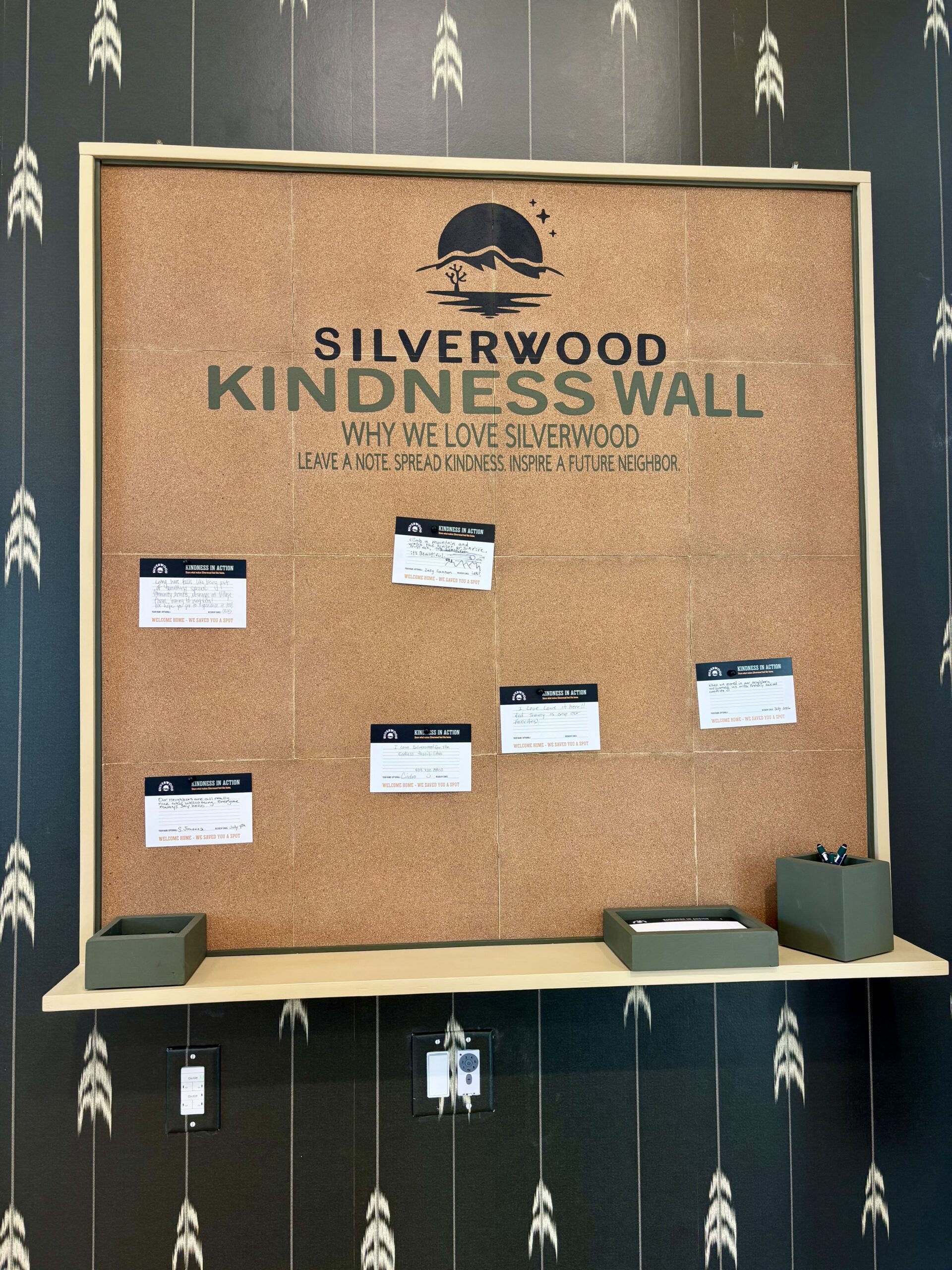
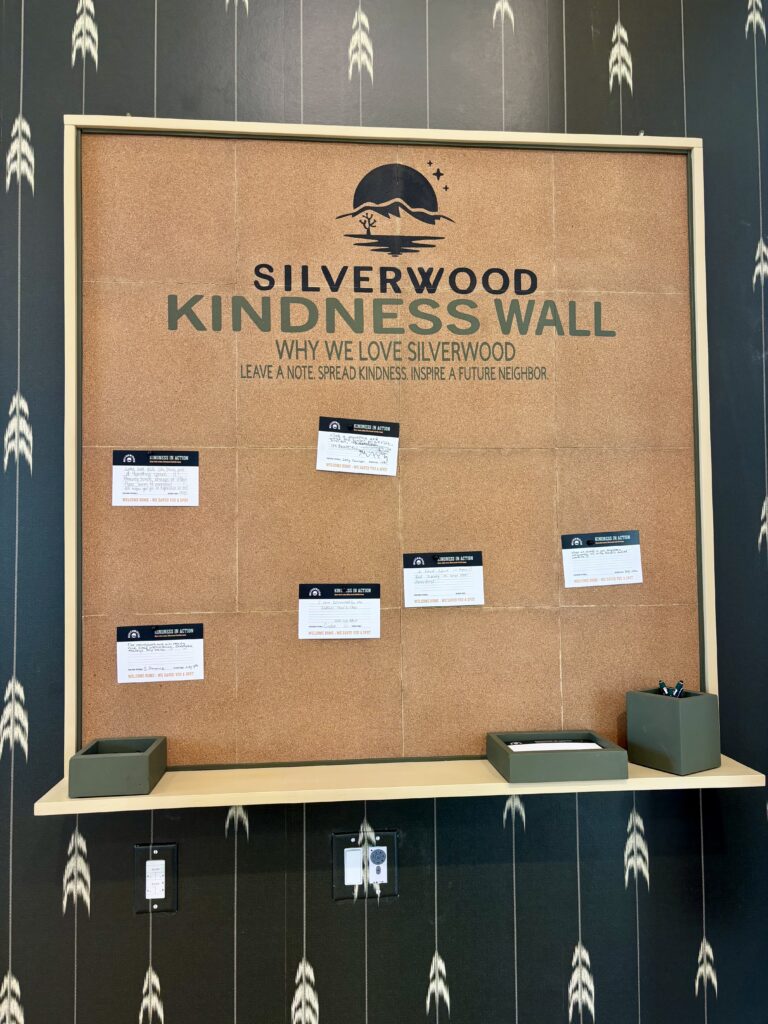
And yet a key selling point for prospective homeowners may be something far less physically tangible — the desire for a more neighborly spirit. Silverwood, a sprawling master-planned community spearheaded by DMB Development in Hesperia, is asking residents to sign a kindness pledge. The social construct of sorts lays out ideals such as:
- Remember that words matter.
- Get involved and make a positive impact.
- Embrace listening to others, even when we disagree.
While not binding or required, a resident’s signature conveys a sense of community altruism. Silverwood leaders hope it fosters connectedness, too.
“It’s contagious,” says Jeanean Gillespie, a project manager informally known as the chief kindness officer. “People get inspired.”
A Lack of Neighborly Bonds
The initiative, which debuted alongside Silverwood’s opening last year, comes amid an overall dip in social bonds across the United States. In 2023, three years after the pandemic radically shifted social norms that were already eroding, then-U.S. Surgeon General Vivek Murthy declared a loneliness epidemic that could have far-reaching personal and societal consequences.
“People are more aware of this after Covid, but it has been a trend for several decades,” said Seth Kaplan, a Johns Hopkins University professor who recently launched the Flourishing Neighborhoods platform. He pointed to cars, television, air conditioning and smartphones as other factors that contributed to greater isolation .”We have fewer friends.”
A Pew Research Center survey in 2025 found that about a quarter of U.S. adults (26%) know all or most of their neighbors, down from 31% in 2018. Trust has been evaporating as well. Less than half of adults (44%) said they trust all or most of their neighbors, but a decade earlier, 52% did.
Neighborly interactions may represent just a slice of people’s social network as they come and go from work, school, errands and other activities, but the existence of such bonds can be significant. Some benefits are practical. Kaplan, who lives in Silver Spring, Maryland, recently asked his neighbor a plumbing question. Other benefits are tied to well-being and happiness.
“It’s joyful to know that you’re part of something,” Kaplan said. “It’s joyful to have so many overlapping relationships. It’s joyful to walk around and know people and to feel that you have relationships with them.”
The quest for neighborly connectedness has sprouted in multiple locations. For example, it led to the formation of the Neighborhood Village Project, a nonprofit based out of Colorado that offers a free six-month course for people desiring more socialization in their own communities. The co-founder began the initiative in 2022 after moving into an apartment building where interaction between residents was scarce.
So far, the Neighborhood Village Project has served people from 10 different countries, and 165 participants have completed the program — meaning they’ve attended online or in-person courses, hosted social events and built bonds in their neighborhoods, said program director August Elliott. Among the benefits, 84% of program participants reported more spontaneous neighborhood interactions, such as sidewalk chats, and 77% indicated new friendships had formed.
“Community-building takes time,” he said. “It’s not about, do you have the knowledge? It’s about, do you have the stamina?”
Case in point: One participant, from a rural area in California, invited neighbors for a potluck dinner, Elliott said. No one showed up. Undeterred, he thought of a different reason to bring people together — clearing brush to prevent wildfires. Neighbors coalesced around that idea, Elliott said, and grabbed dinner together afterward.
The participant’s experience underscores the fact that community-building doesn’t follow an identical script in every location.
“There are a million ways for a community to look healthy, but it has to be collectively chosen by the people who actually live there,” Elliott said.
Silverwood’s Features
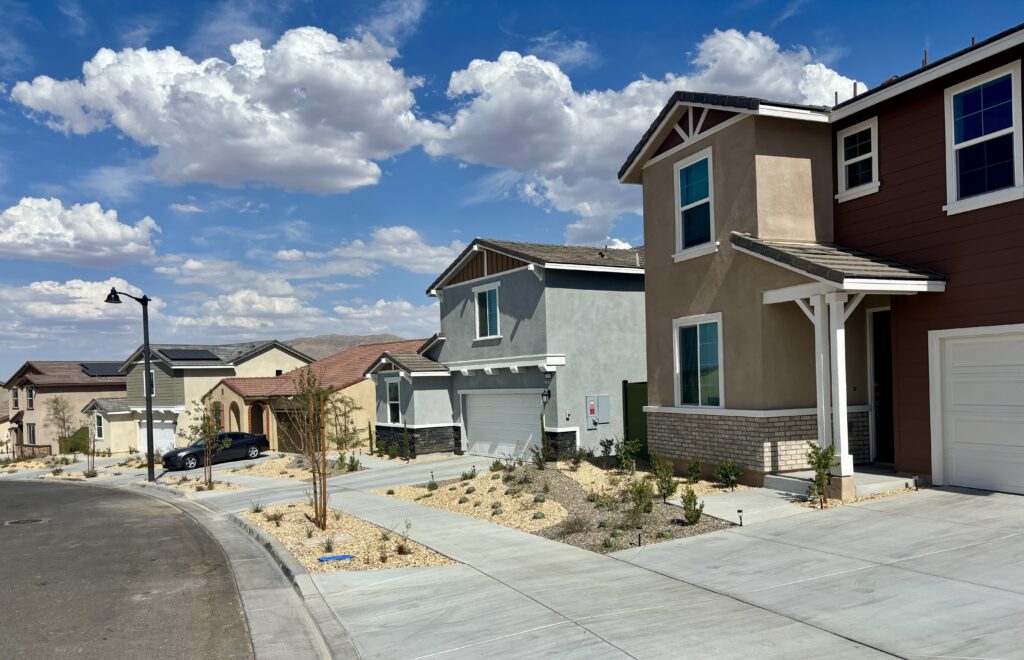
As Silverwood expands and matures over the next decade or two, developers envision 15,000-some new homes dotting the high desert landscape in Hesperia, an already-growing city roughly 80 miles from downtown Los Angeles. As of mid-September, 289 houses have sold and an additional 246 have closed in Silverwood, where prices start in the low $400,000s for a three-bedroom, two-bath house.
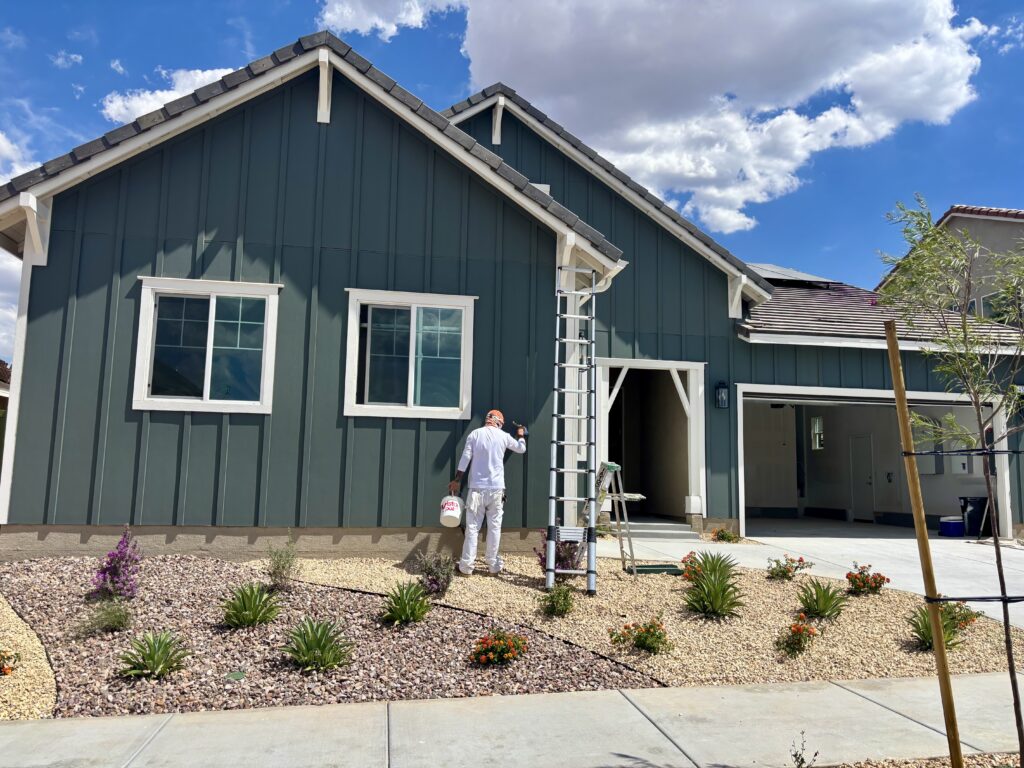
Hesperia sits in San Bernardino County, one of 178 counties identified as Hispanic Centers by the American Communities Project. About 63% of the city’s 102,000-some residents identify as Hispanic or Latino.
Projects such as a BNSF Railway logistics hub in nearby Barstow and a massive Amazon facility in Hesperia are expected to add thousands of jobs, driving further population growth in the region.
As far as Gillespie is concerned, the timing is ideal to build social capital in Hesperia. Silverwood’s kindness pledge was inspired by former Anaheim Mayor Tom Tait’s efforts to create a kind culture in the city that’s home to Disneyland.
“When you know your neighbors and everybody talks and everybody knows each other’s families, it’s a safer community, too,” she said.
Outside the entrance to Silverwood, many nearby houses feature front-yard fences, cutting off the likelihood of spontaneous chats or Halloween trick-or-treating. The master-planned community was designed intentionally to avoid such a situation. Sidewalks, pocket parks and a village green in the center of the community promote mingling with neighbors. The village green, for instance, recently hosted a karaoke and taco party that brought residents together in an atmosphere ripe for making connections.
A growing “Hello Crew,” currently made up of a handful of community volunteers, brings new residents a welcome gift with fresh baked bread, local honey and a magnet listing the kindness pledge — a subtle reminder for neighborly goodwill. Gillespie said only one homebuyer declined to sign the pledge so far. The buyer didn’t give a reason and the invitation to sign remains open in keeping with the goal of fostering a connected community.
Ultimately, the effectiveness of the pledge comes down to individual effort. Community leaders can encourage residents to speak with their neighbors before complaining about barking dogs, for instance, but it’s up to homeowners to embody that ethos.
In theory, the hospitality extends to visitors as well. A portion of the 2,650-mile Pacific Crest Trail runs through Silverwood and, earlier this year, the community hosted a barbecue for hikers.
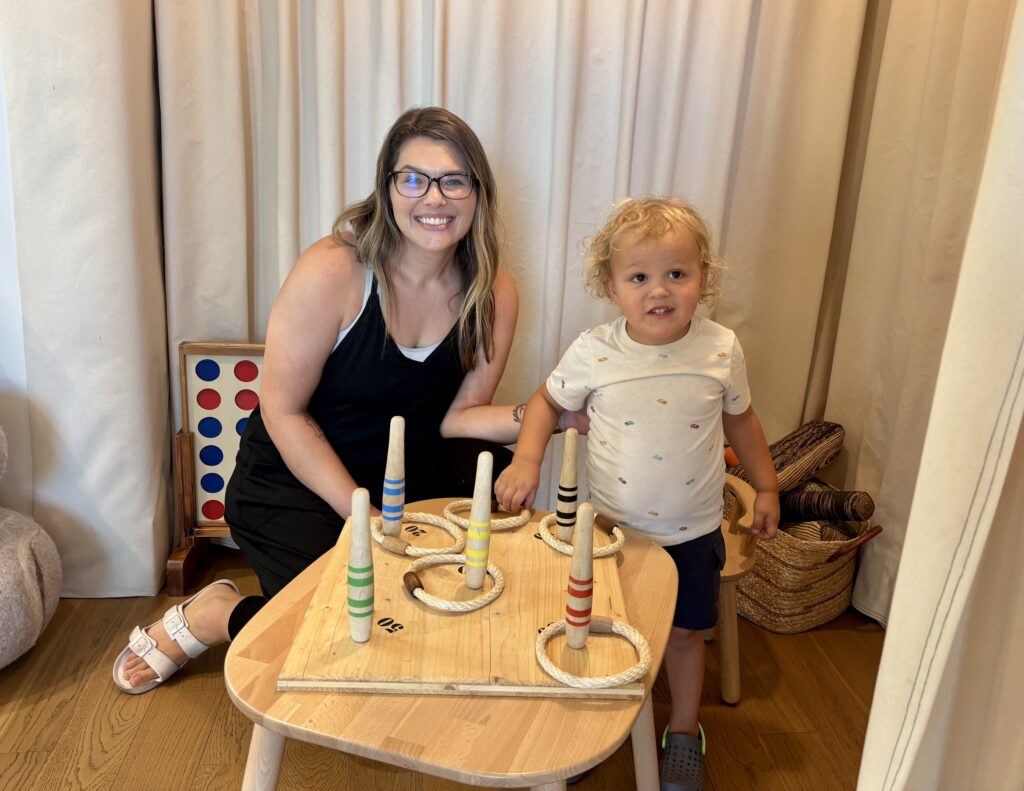
The inviting atmosphere is what drew residents Lindsay Zahller and her husband, Nate, to Silverwood. The couple moved to Hesperia from the Denver area, where they lived in a starter-home neighborhood devoid of much social interaction. He works as a parts manager for Tesla; she’s a staffing manager who works remotely. A major factor in their California house hunt? They wanted a more thriving place to raise their 3-year-old son, Sutton.
Could their son grow up with neighborhood friends? Would their neighborhood provide a support system?
“It was very important because we moved here with nobody. We don’t have any friends, any family,” Zahller said. “… So it’s nice for us to be able to have a sense of support without having to really ask for it.”
Shortly after the Zahllers moved into Silverwood earlier this year, a family across the street invited them to attend a birthday party. Her momentary hesitation gave way to an enthusiastic yes.
“We’re neighbors. This is how you get to know people,” Zahller said, describing her thought process. “We went and we had a great time, and we talk to them all the time now.”
 Jackie Valley is a freelance writer based in the Las Vegas area. She previously worked for The Christian Science Monitor, The Nevada Independent, and the Las Vegas Sun.